


Perfume Notes Explained: Floral, Citrus, Vanilla, Musk & More
Perfume can feel deeply personal, but the way it is described can often feel confusing.
Floral. Citrus. Musk. Amber. Gourmand. Woody. Aquatic. Powdery.
These words appear on almost every perfume bottle or product page, but unless you know what they mean, choosing a fragrance can become guesswork. You may know that you like something fresh, soft, sweet, or long-lasting, but not always know which notes create that effect.
That is where understanding perfume notes helps.
Perfume notes are the individual scent impressions that make up a fragrance. They are the reason one perfume smells bright and sparkling at first, then turns soft and floral, and finally settles into something warm, musky, or woody on the skin.
Once you understand fragrance notes, choosing perfume becomes easier. You begin to know what you enjoy, what suits your routine, and what kind of scent feels most like you.
What are perfume notes?
Perfume notes are the different layers of scent you experience when you wear a fragrance.
A perfume does not smell exactly the same from the first spray to the final dry-down. It changes with time. Some notes appear immediately and fade quickly. Some develop after a few minutes. Others stay close to the skin for hours.
That is why perfumes are often described in three layers:
- Top notes
- Heart notes
- Base notes
Together, these layers create the full personality of a perfume.
Think of it like music. A single note may be beautiful, but a complete composition needs rhythm, depth, contrast, and balance. Perfume works in a similar way.
Top notes: the first impression

Top notes are what you smell first when you spray a perfume.
They are usually light, fresh, and quick to evaporate. They create the opening impression of the fragrance, but they are not the whole story.
Common top notes include:
- Citrus
- Bergamot
- Lemon
- Orange
- Grapefruit
- Green notes
- Light fruits
- Aromatic herbs
- Aquatic notes
Top notes are important because they decide whether a perfume feels instantly fresh, bright, juicy, clean, or energetic.
However, they usually fade faster than the other layers. That is why a perfume that smells very citrusy in the first five minutes may later become floral, musky, woody, or warm.
Heart notes: the main character
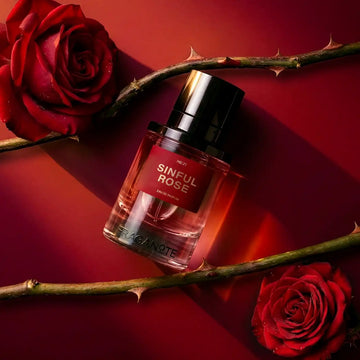
Heart notes are also called middle notes.
They appear after the top notes begin to settle and usually form the main body of the perfume. This is where the fragrance starts to reveal its true character.
Common heart notes include:
- Rose
- Jasmine
- Lavender
- Orange blossom
- Violet
- Spices
- Fruits
- Soft herbs
- White florals
If the top notes are the introduction, the heart notes are the story.
They often decide whether a perfume feels feminine, romantic, elegant, playful, spicy, fresh, or comforting. Many floral and fruity perfumes are built strongly around heart notes.
Base notes: the lasting impression
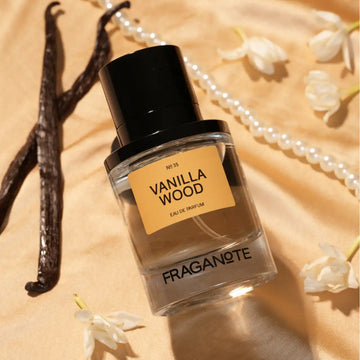
Base notes are the deepest and longest-lasting part of a perfume.
They appear more clearly once the fragrance has settled on your skin. These notes give the perfume depth, warmth, and longevity.
Common base notes include:
- Musk
- Vanilla
- Amber
- Sandalwood
- Cedarwood
- Patchouli
- Oud
- Tonka bean
- Leather
- Resin
Base notes are the reason a fragrance stays with you after the first freshness has faded. They also affect how warm, sensual, mature, soft, or intense a perfume feels.
If you want a perfume that lasts longer, pay close attention to its base notes. Musk, woods, amber, vanilla, oud, and resins usually help a fragrance feel more lasting and grounded.
Floral notes: feminine, elegant, and timeless
Floral notes are among the most loved and widely used perfume notes.
They can feel soft, romantic, fresh, powdery, rich, sensual, or even slightly green depending on the flower used and how it is blended.
Common floral notes include:
- Rose
- Jasmine
- Lily of the valley
- Tuberose
- Orange blossom
- Peony
- Violet
- Iris
- Magnolia
- Gardenia
A rose perfume may feel classic and graceful. Jasmine can feel richer and more sensual. Peony often feels fresh and delicate. Tuberose can feel creamy, bold, and luxurious. Iris may feel powdery and elegant.
This is why not all floral perfumes smell the same.
Some are light and office-friendly. Some are sweet and youthful. Some are intense and evening-ready. Some are soft enough for daily wear.
Floral perfumes are a good choice if you enjoy scents that feel graceful, expressive, and naturally polished.
Citrus notes: fresh, clean, and uplifting

Citrus notes are bright, sparkling, and instantly refreshing.
They are often used in the opening of perfumes because they create a clean and energetic first impression.
Common citrus notes include:
- Lemon
- Bergamot
- Orange
- Mandarin
- Grapefruit
- Lime
Citrus perfumes feel fresh, crisp, and easy to wear. They are especially popular for daytime use, summer, office wear, and casual routines.
Bergamot is one of the most elegant citrus notes. It feels slightly bitter, fresh, and refined. Lemon feels sharper and cleaner. Mandarin and orange feel softer and juicier. Grapefruit can feel bright, modern, and slightly tart.
Citrus notes often fade faster than heavier notes, so they are commonly paired with woods, musk, amber, or florals to give the fragrance more structure and longevity.
Choose citrus if you like perfumes that feel clean, bright, energetic, and effortless.
Vanilla notes: warm, soft, and comforting

Vanilla is one of the most recognisable perfume notes.
It can smell sweet, creamy, warm, smooth, and comforting. But in perfumery, vanilla is not always sugary. When blended well, it can feel elegant, sensual, and mature.
Vanilla is often used in base notes because it adds softness and warmth. It blends beautifully with amber, musk, woods, spices, florals, and gourmand notes.
A vanilla perfume can feel cosy and intimate. A vanilla-wood fragrance may feel more refined. A vanilla-spice perfume can feel richer and more evening-appropriate. A vanilla-floral blend may feel feminine and soft.
Vanilla is a good choice if you enjoy fragrances that feel warm, smooth, inviting, and slightly sweet without being too sharp.
Musk notes: soft, clean, and close to the skin

Musk is often misunderstood.
Many people think musk always smells heavy or animalic. Modern musk is usually much softer. It can smell clean, powdery, warm, airy, creamy, or skin-like.
Musk is widely used in perfumery because it helps a fragrance feel smooth and long-lasting. It often acts like a soft veil around other notes.
A musky fragrance may not always feel loud. Instead, it can smell like clean skin, fresh laundry, soft warmth, or a subtle trail that stays close to you.
Musk works especially well in daily wear perfumes because it feels elegant without being overpowering. It can make florals softer, fruits smoother, and woods more wearable.
Choose musk if you like fragrances that feel intimate, clean, subtle, and refined.
Woody notes: grounded, mature, and refined
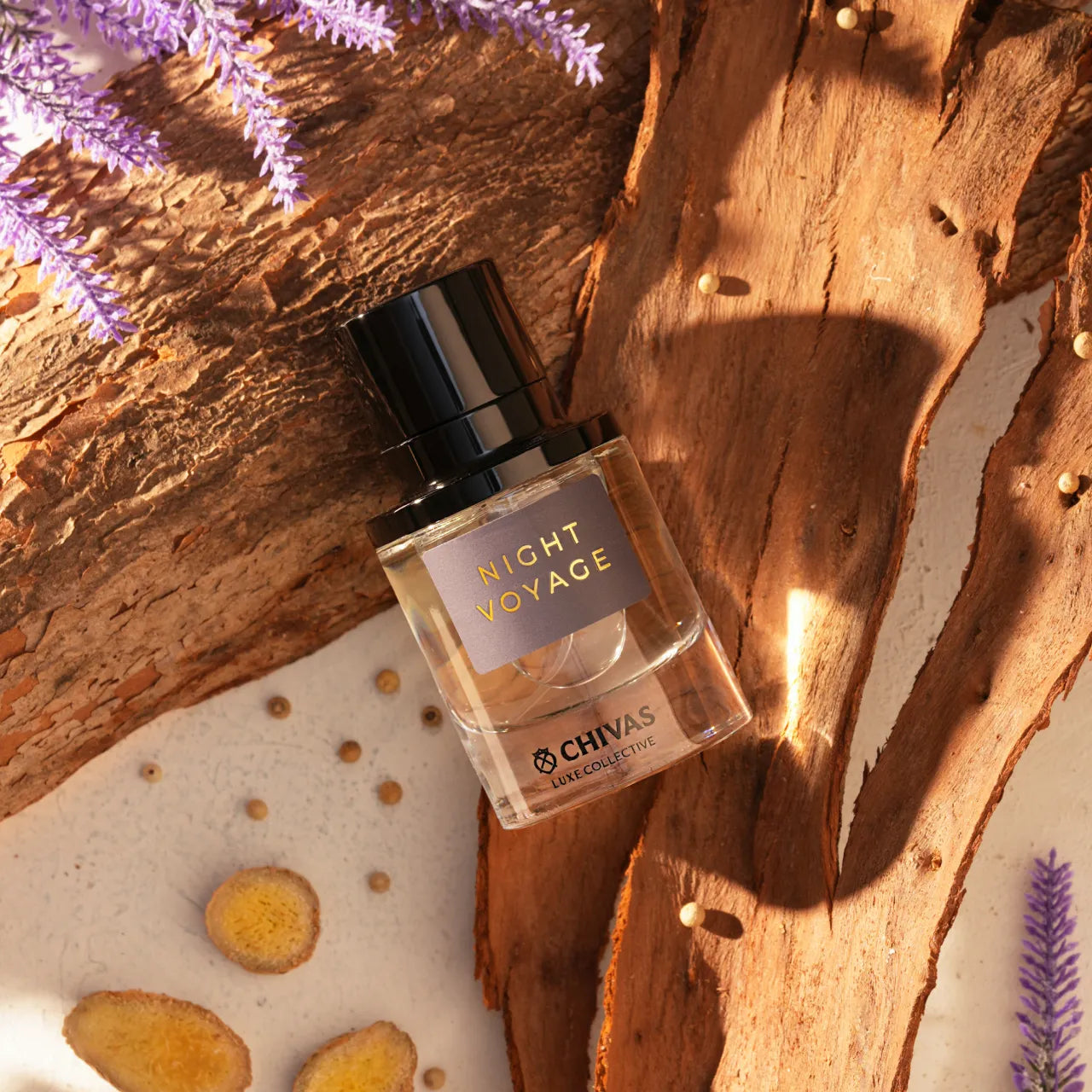
Woody notes add structure to a perfume.
They can feel dry, creamy, smoky, earthy, fresh, or warm depending on the wood used.
Common woody notes include:
- Sandalwood
- Cedarwood
- Vetiver
- Patchouli
- Guaiac wood
- Oud
Sandalwood is smooth, creamy, and soft. Cedarwood feels dry, clean, and polished. Vetiver feels earthy, green, and slightly smoky. Patchouli can feel deep, rich, and grounding. Oud is intense, luxurious, and often more dramatic.
Woody notes are common in both men’s and women’s perfumes. They help a scent feel more mature and long-lasting.
A floral perfume with woods may feel more elegant. A citrus perfume with woods may feel sharper and more refined. A vanilla perfume with woods may feel warmer and less sweet.
Choose woody notes if you like perfumes that feel composed, sophisticated, and lasting.
Amber notes: warm, rich, and sensual
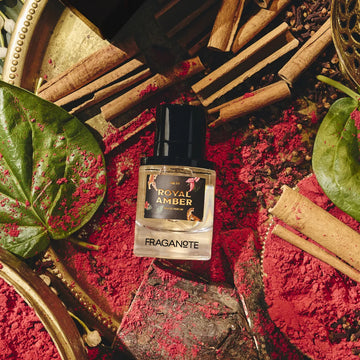
Amber is not usually a single ingredient in perfume. It is more often an accord, which means a blended scent impression created using different materials.
Amber perfumes often feel warm, golden, resinous, slightly sweet, and enveloping. They may include notes like labdanum, benzoin, vanilla, resins, and soft spices.
Amber gives a perfume depth and richness. It is often used in evening fragrances, winter perfumes, and scents that are meant to feel sensual or luxurious.
An amber perfume may feel smooth and glowing rather than sharp. When combined with florals, it becomes soft and elegant. With vanilla, it becomes warmer and sweeter. With woods, it becomes deeper and more mature.
Choose amber if you enjoy perfumes that feel warm, refined, and memorable.
Fruity notes: playful, juicy, and modern
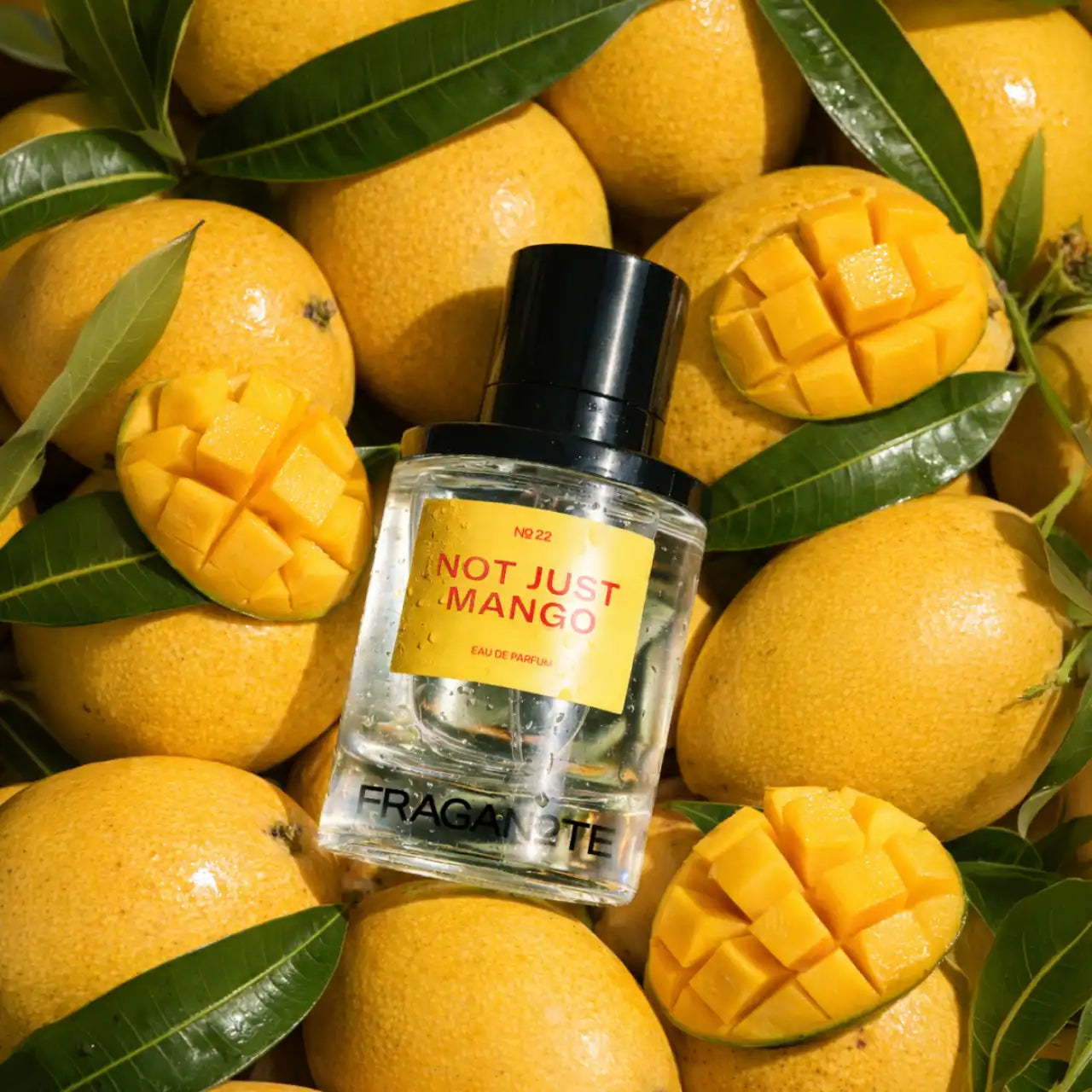
Fruity notes bring brightness and charm to a perfume.
They can feel juicy, sweet, fresh, tropical, tart, or soft depending on the fruit.
Common fruity notes include:
- Peach
- Plum
- Apple
- Pear
- Melon
- Lychee
- Berries
- Mango
Fruity perfumes can be light and casual, but they can also feel sophisticated when blended with florals, musk, woods, or amber.
Peach often feels soft and velvety. Plum feels deeper and richer. Pear feels fresh and watery. Lychee feels sweet, sparkling, and modern. Berries can feel playful and slightly tart.
Choose fruity notes if you like perfumes that feel cheerful, fresh, youthful, and easy to wear.
Gourmand notes: delicious, sweet, and indulgent
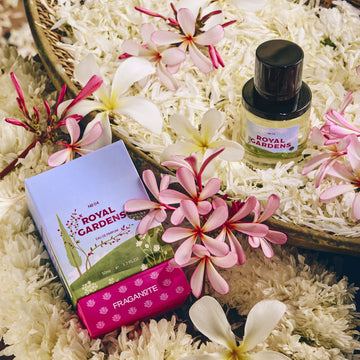
Gourmand perfumes are inspired by edible notes.
They often smell like dessert, warmth, or sweetness, but the best gourmand perfumes are balanced rather than overly sugary.
Common gourmand notes include:
- Vanilla
- Caramel
- Chocolate
- Coffee
- Honey
- Marshmallow
- Popcorn
- Pistachio
- Fruity notes
Gourmand fragrances can feel comforting, sensual, and memorable. They are especially popular for colder weather, evening wear, and people who enjoy warm, sweet perfumes.
However, gourmand notes can become heavy if overdone. For daily wear, look for gourmand perfumes that are balanced with musk, woods, citrus, or florals.
Choose gourmand notes if you enjoy scents that feel cosy, sweet, warm, and indulgent.
Aquatic notes: clean, breezy, and fresh
Aquatic notes are designed to smell fresh, airy, watery, or ocean-like.
They do not usually come directly from water. Instead, they are created through fragrance materials that give the impression of sea breeze, rain, cool air, or clean freshness.
Aquatic perfumes often feel light and refreshing. They are popular for summer, gym bags, casual wear, travel, and daily routines.
They may be combined with citrus, musk, green notes, or woods to create a clean and modern fragrance.
Choose aquatic notes if you like perfumes that feel fresh, breezy, relaxed, and easy to wear.
Spicy notes: warm, bold, and expressive
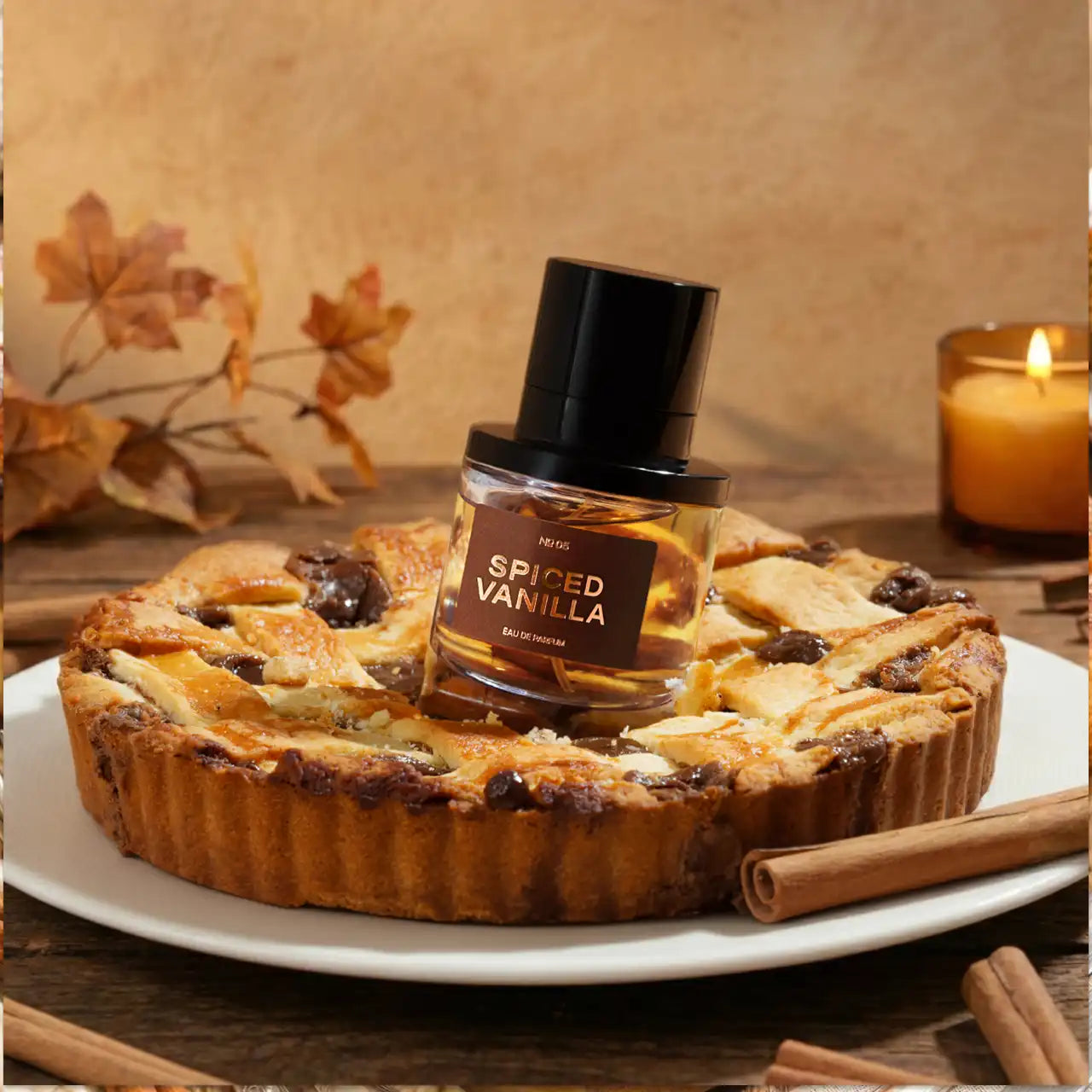
Spicy notes add character and energy to perfume.
They can feel warm, sharp, sweet, dry, or smoky depending on the spice.
Common spicy notes include:
- Cardamom
- Cinnamon
- Pepper
- Clove
- Nutmeg
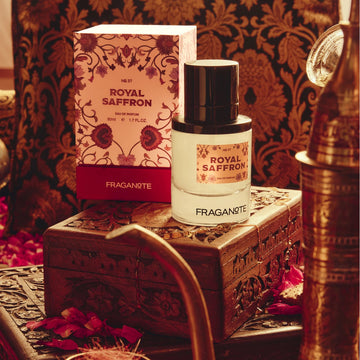
- Saffron
- Ginger
Cardamom feels fresh, warm, and slightly sweet. Pepper feels sharp and modern. Cinnamon feels warm and comforting. Saffron feels rich and luxurious.
Spicy perfumes often feel more expressive than simple fresh scents. They work well in evening fragrances, winter perfumes, and scents with amber, woods, vanilla, or oud.
Choose spicy notes if you like perfumes with warmth, depth, and personality.
Green notes: fresh, natural, and crisp
Green notes smell like leaves, grass, stems, herbs, or fresh-cut plants.
They can make a perfume feel more natural and crisp. Sometimes they add freshness to florals. Sometimes they make citrus perfumes feel sharper and more outdoorsy.
Common green impressions include:
- Fresh leaves
- Grass
- Mint
- Basil
- Green stem
- Green tea
- Fig leaf
Green notes are ideally clean, modern, and slightly earthy.
Choose green notes if you enjoy fragrances that feel fresh, natural, sharp, and understated.
Powdery notes: soft, elegant, and vintage-inspired
Powdery notes create a soft, smooth, almost cosmetic-like effect.
They can remind people of face powder, clean skin, soft florals, or classic perfumes. Iris, violet, musk, and certain aldehydes often create powdery impressions.
Powdery perfumes can feel graceful and mature. They are not always old-fashioned, though. Modern powdery perfumes can feel minimal, clean, and very elegant.
Choose powdery notes if you like scents that feel soft, polished, refined, and close to the skin.
Oud notes: rich, deep, and luxurious

Oud is one of the most distinctive notes in perfumery.
It is deep, woody, smoky, resinous, and intense. In some perfumes, oud feels dark and powerful. In others, it is softened with rose, amber, vanilla, musk, or spice.
Oud perfumes are often associated with luxury because of their richness and lasting power. They are usually better suited for evenings, occasions, festive wear, or people who enjoy bold fragrances.
For those new to oud, a softer oud blend may be easier to wear than a very intense one.
Choose oud if you enjoy perfumes that feel deep, mature, memorable, and statement-making.
How to read perfume notes before buying
When you look at a perfume description, do not judge it by one note alone.
A perfume with vanilla is not always very sweet. A floral perfume is not always delicate. A musk perfume is not always heavy. A citrus perfume is not always short-lived.
Look at the full structure.
If the top notes are citrus and the base notes are musk and woods, the perfume may open fresh but settle clean and refined.
If the heart has florals and the base has amber and vanilla, it may feel feminine, warm, and slightly sensual.
If a perfume has fruits, florals, and musk, it may feel fresh, soft, and easy for daily wear.
If it has oud, spice, amber, and woods, it will likely feel deeper and more suitable for evenings or occasions.
The balance matters more than any single note.
How to choose the right notes for yourself
Your fragrance should match your taste, routine, and the way you want to feel.
For daily wear, choose fresh, citrus, musk, light floral, fruity, or soft woody perfumes.
For evenings, choose amber, vanilla, oud, spice, dark florals, or warm woods.
For gifting, choose safer notes like citrus, musk, soft florals, vanilla, or gentle woods unless you know the person enjoys bold fragrances.
For signature scents, look for notes that feel natural to your personality, not just popular online.
A perfume should not feel like a costume. It should feel like an extension of you.
Final thoughts
Understanding perfume notes makes fragrance shopping more meaningful, whether you're choosing a perfume for men or a perfume for women.
Instead of choosing only by bottle design, trend, or someone else’s recommendation, you begin to understand why you like what you like. You learn whether you are drawn to fresh citrus, soft florals, warm vanilla, clean musk, deep woods, or rich oud.
Perfume is not just about smelling good. It is about mood, memory, presence, and personal style.
The right notes can make a fragrance feel fresh in the morning, elegant through the day, and comforting by evening.
That is the beauty of perfume.
It changes slowly, stays personally, and tells a story without saying a word.